Editor’s Note: The recent government shutdown may have ended, but many women and families are still feeling its financial ripple effects. Whether you experienced furloughs, missed paychecks, or are navigating your own form of economic uncertainty or job loss, the guidance in this article is designed to support your recovery. If you need personalized guidance, our Línea gratuita de ayuda financiera is here for you.
By Susanna Anim-Mensah, MBA, Candidate for CFP® Certification, Helpline Volunteer
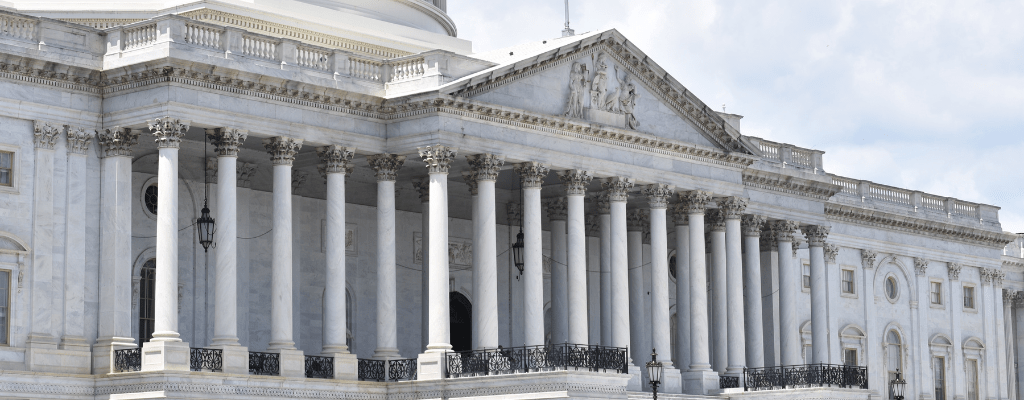
The government shutdown has created a challenging situation and time, especially when it comes to personal finances. Everyone is feeling the effects of the shutdown, but the most affected by the shutdown are government workers and their families. If you have been affected, it is essential to take steps to regain financial stability now that the shutdown is over. Here are a few effective strategies to help you get back on track to meeting your financial goals:
1. Assess Your Financial Situation
You start by taking a comprehensive look at your current financial status. This can be accomplished by gathering all your financial statements, including bank accounts, credit card statements, and any unpaid bills. Examine your income, expenses, and outstanding debts. Evaluating all this information will give you a clear picture of where you stand and help identify areas that need immediate attention.
2. Prioritize Essential Expenses
It is important to focus on your most critical expenses during financial uncertainty. Make a list of essentials such as rent or mortgage, utilities, groceries, and transportation. Then allocate funds to cover these necessities first. If you are struggling to meet these obligations, then consider reaching out to service providers to negotiate payment plans or seek assistance from local community resources.
3. Create a Budget
Develop a budget that reflects your current financial situation. This is where you identify areas you cut back on spending, such as dining out, subscriptions, entertainment, and non-essential shopping. Then redirect these savings towards paying off debts or building an emergency fund. Developing a lean budget will help ensure that you live within your means while working towards your financial recovery.
4. Explore Alternative Income Sources
Consider exploring additional sources of income. This could include part-time work, freelance opportunities, or gig economy jobs (Uber, Lyft, Amazon, DoorDash, etc.). Utilize your interests and skills to identify potential side hustles because every bit of extra income can help ease financial burden and fast-track your recovery process.
5. Communicate with Creditors
Oftentimes, we forget to communicate with creditors during financial difficulties. If you are struggling to make payments on time, proactively reaching out to your creditors is essential. Many service providers and lenders offer hardship programs for those affected by economic disruptions. Reach out and communicate your situation and inquire about the options they have available, such as deferred payments, reduced interest rates, or modified payment plans. This can prevent damage to your credit score and relieve some financial pressure.
6. Rebuild Your Emergency Fund
The need for an emergency fund is one of the most important lessons from a financial setback. Once your financial situation has been stabilized, the next focus is to gradually rebuild this safety net. The aim is to save three to six months’ worth of living expenses to protect yourself from future financial uncertainties. The easiest way to save with giving it thought, is to consider setting up an automatic transfers to a dedicated savings account to make consistent contributions.
By taking these strategic steps mentioned above, you can regain control of your finances and build a more stable financial future. It is important to remember that the recovery process might take time, but with determination and careful planning, you can overcome the challenges presented by the government shutdown and be on a path to meeting your financial goals.